Heartland Introduction
Heartland is a 3-4 player educational game about farming in the Central Valley. The gameplay consists of collecting supplies (like resource cards that act like actions and crop cards you can plant), planting crops, and strategizing through natural and government events that reflect real-life. During the ideating phase of the game, I initially wanted to create a game that can teach you biochemical aspects of growing plants, like how soil pH and various nutrients can impact plant growth. However, to compromise with others’ interests, our team ended up aiming to teach about (1) farmer’s lived experiences, and (2) social, political, economical, and environmental factors that currently impact farmers. The benefit of these topics over biochemistry is that it might appeal to a broader audience of learners, while fostering empathy for the workers that make 90% of our country’s food supply.
Mechanics and Types of Fun
A mechanics that shape our game includes challenge cards that promote strategy, while teaching people about government initiatives. Event cards (2 per round, one governmental and one environmental) simulate real struggles that impact farmers. These challenge and event cards shape player’s choices during the drawing phase, where players take turn grabbing cards from a pool of supplies. Supplies include things like crop seeds, resources to prepare against events, or actions to benefit yourself or disadvantage others. Players are able to foster competitiveness through playing resource cards during the planting phase. Additionally plot points and time-to-grow add another layer of planning and strategy.
The main types of fun created through these mechanics include:
(1) Fantasy (make-believe) as you get to play the role of a farmer. I felt like this was seen when players would pretend to be “almond farmers” or get upset when nature gets in the way.
(2) Challenge (obstacle course) as events in our game as punishing in order to simulate the real day-to-day struggles of farmers. During one of our playtests, Krystal mentioned her father who works in the agricultural industry always complains about ACP (a pest in our game
(3) Fellowship (social framework) as players play against each other in order to make it to the top in our capitalistic world.
On Teaching Others
I believe the mechanics lent itself to teaching. The learning opportunities were all tied to the mechanics of the game, and not something separate from it. As someone who likes learning science over other topics, I kind of wish we were able to incorporate more science-learning into the game, but otherwise, I enjoyed making this educational game a lot! Honestly, the hard part about educational games is finding a sweet spot between learning and fun, and I hope we were able to strike that balance.

Fig 1. Playing with friends and forcing them to do the learning assessment >:)
Final Thoughts
The highlight of P1 was definitely seeing the game come together from start to end and spending numerous nights building the game. Seeing the game go from something extremely boring (too easy and streamlined) to something that could spark so much laughter was heartwarming… I guess you could say… it brought me to heartland.
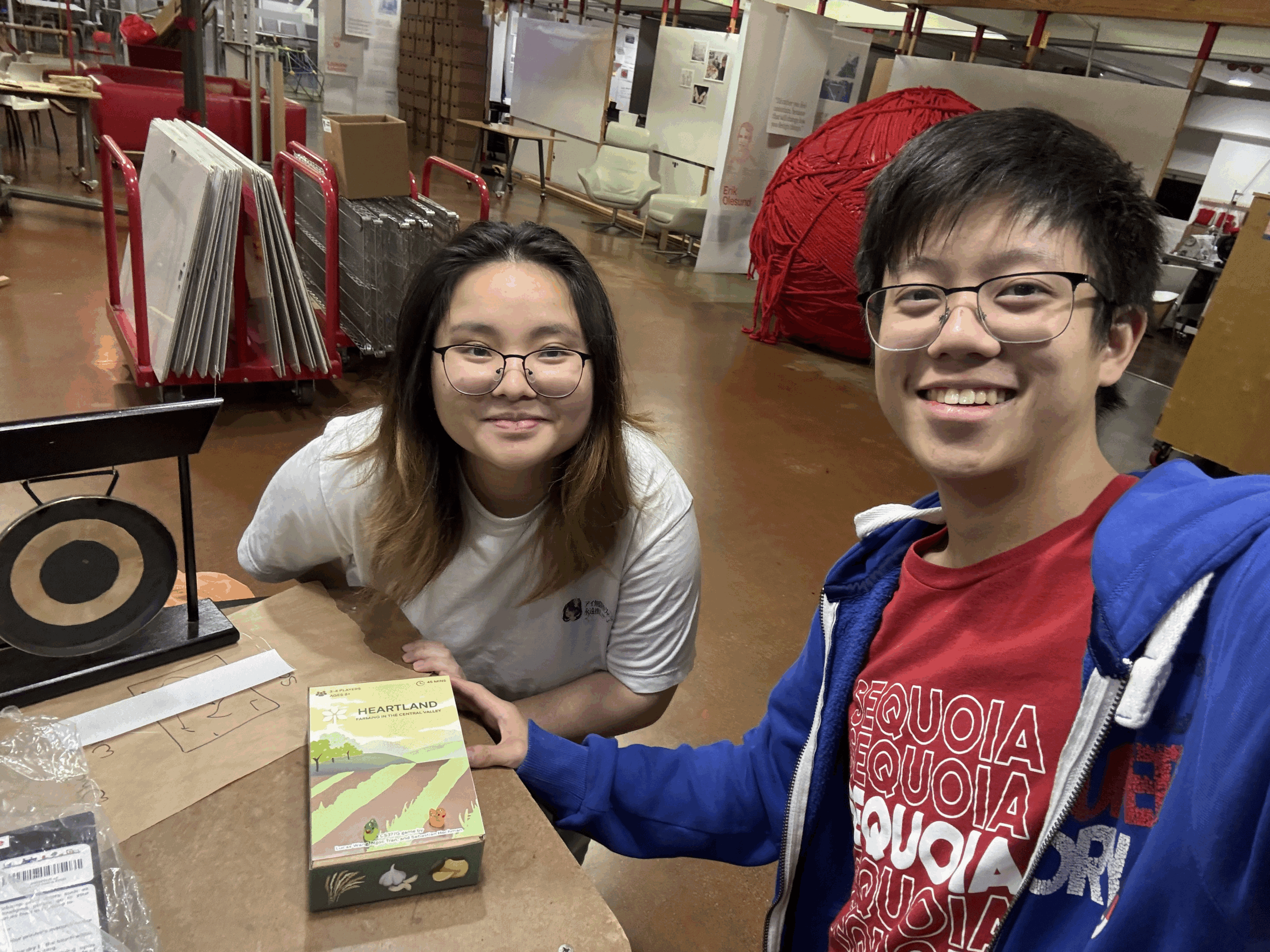
Fig 2. Me and Lucas at the Design School (we spent 20 mins looking for a paper cutter… and the paper cutter didn’t even cut straight… user error?)