Spent is a serious game developed by the McKinney Agency for the Urban Ministries of Durham, that offers a unique perspective on poverty. The game was published in 2011 as a browser game.
The primary gameplay of Spent involves making difficult decisions about how to live on $1000 for a month. You play as someone with an unstable job and living situation, also having to provide for other family members. With each decision you make, there are different unknown benefits and consequences immediately or down the line that affect how much money you have to pay.
The mechanics in this game are that the player starts with a fixed amount of money and then gets different decision options for how to spend that money. There are rules about what each option results in, and also how time progresses. Additionally, there are some extra options for dire situations where the player is out of money, such as donating plasma or getting a loan.
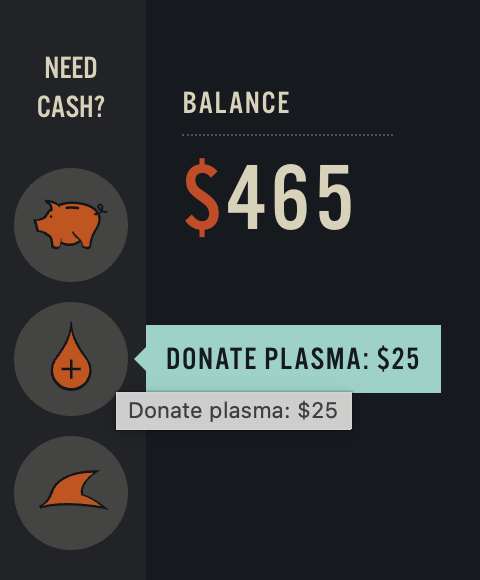
[Image of bank balance, with extreme options for extra cash.]
There is also an extra mechanic of sharing the game with a friend to unlock a better option, but the difficulty and inconvenience of getting this represents how some people may not have someone to lean on.

[For example, the game asks if you want to exercise but your only options are to
pay for a gym or put it off, but you can share the game for a better free option.]
This game employs an unfolding narrative that builds as you make choices that lead to certain effects, that lends itself to the learning mechanism of prediction. For example, I got a call from the Collections Corp about my payment, and I was trying to guess whether hanging up would be a good way to save money, or if it would come back to bite me later. These guesses and the consequences that come after help to build memory about the different actions that can affect people.
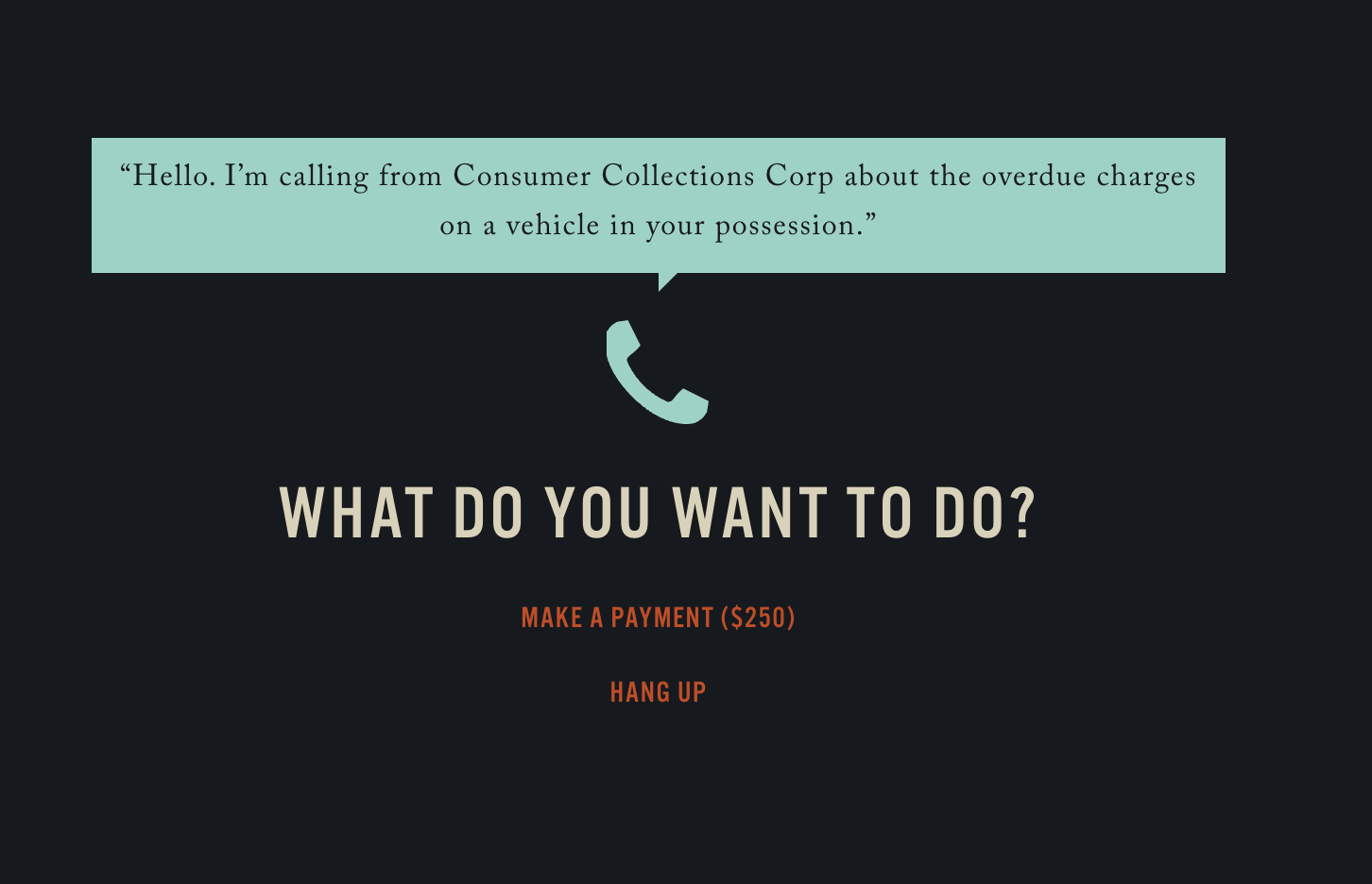
[Image of the calling screen, which gives you the option to
pay the bill or ignore it with no other information about consequences.]
The dynamics of this game is that there are a lot of dilemmas where neither option for players is a good option, and often leaves you wishing it gave you more creative solutions. I believe this aids in the learning since the strict prompts help make it clear how difficult and inescapable these decisions are for many people. There are also stats included after each decision that teach the player about the consequences of their decision and share facts about how these situations affect people in the real-world, helping players understand why they have to choose these options.
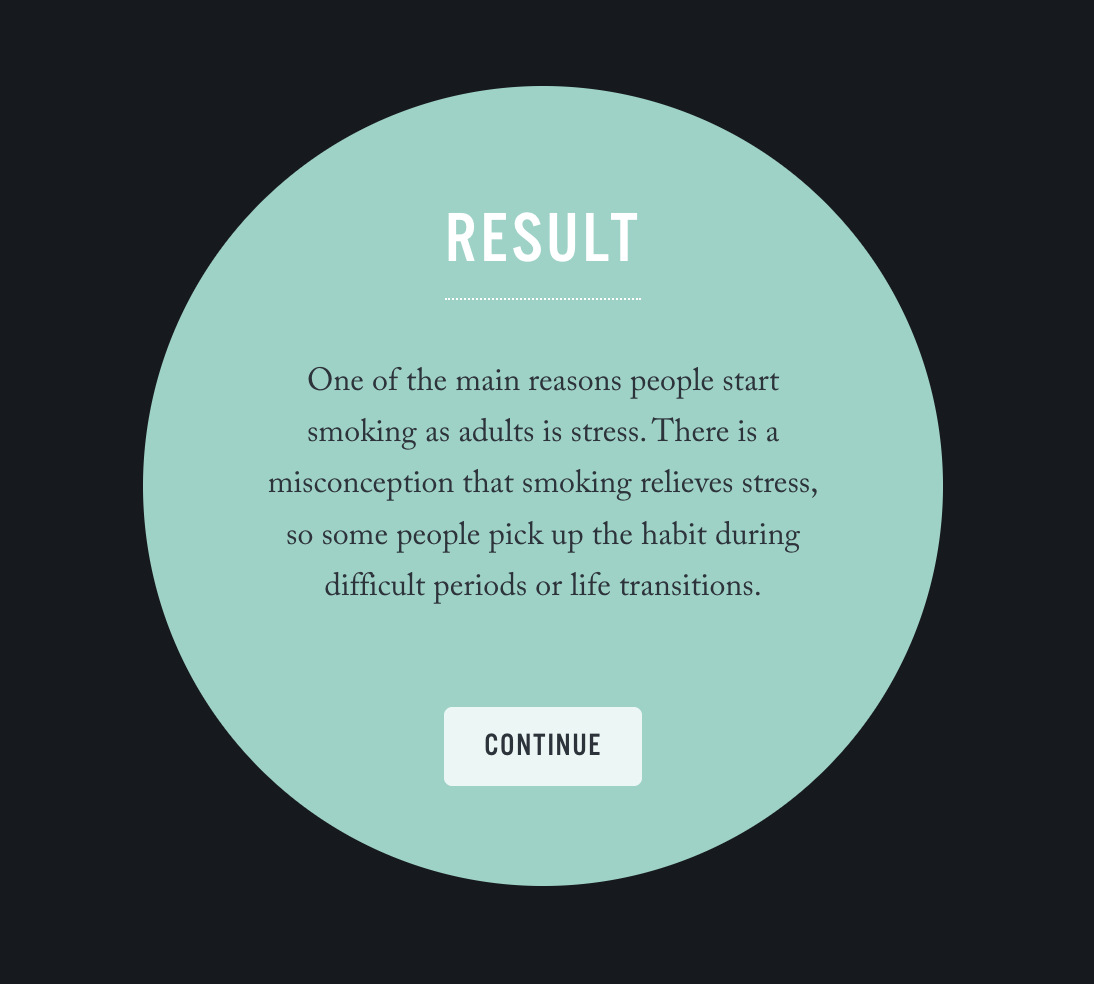
[Image of a fact screen after making a decision.]
Moreover, a huge part of this game is the feeling of extreme challenge, since you have to make it to the end of the month with the money you have, and there are different situations that arise that force you to think through ethical and financial dilemmas with no certain way out. For example, in the game my child applied for a scholarship to a gifted program but I had to attend the meeting in person, causing me to get a job strike. Eventually, these strikes would lead to losing my job.

[Image of job strike screen, which only appears after you’ve already made the decision.]
As a result, when playing through a second time I had to avoid this gifted program even though I knew it would harm my child’s education. In a way, this feeling of discovery lends itself to wanting to repeat the game, which builds on the practicing aspect and helps internalize the problems and consequences of each action for the player.
In terms of aesthetics, Spent certainly creates a feeling of anxiety and frustration with the constant choices (especially bad choices). Another experience I noticed is that towards the end of the month everything feels much more helpless since you are on your last few dollars and pushing to finish the game. It’s a scary situation because you know this is reality for someone. The game sort of creates intense discomfort as well. because you have to make questionable ethical decisions like allowing your child to continue eating free lunch and risk bullying, or putting your pet down, simply because you cannot afford anything else.
With outcomes, Spent is ultimately very successful in forcing the player to internally reflect about their priorities, and I can definitely see how this game is able to help build empathy for families experiencing poverty, and disrupt some of the ideas that financial hardship comes from personal failures.
At the end of the game, a screen comes up which encourages donations and advocacy. After going through this process and seeing how vital every dollar is, this is definitely a powerful call to action and likely has a real-world impact. I also appreciate how the game is titled Spent, which you might not fully understand before playing, but afterwards you can personally feel how the title accurately reflects both the financial and mental exhaustion people are going through.

[Image of the end screen, which prompts donations and sharing.]