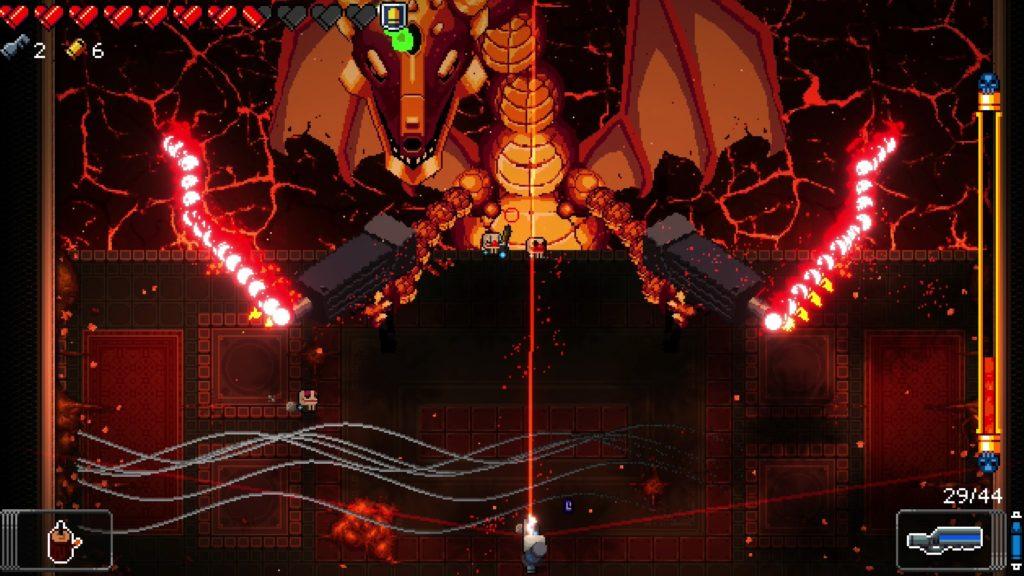
I played Sweatshop, a monotonous clicker game where you are the owner of a sweatshop, seeking to maximize profit by hiring workers, buying materials, and collecting the clothes produced! This game is developed by DUCK and published by Sometimes You on Steam; it looks like they are indie game developers rather than a big game label, which might have contributed to the lo-fi feeling of the game.
When reflecting on what kind of fun Sweatshop offers, I find this quote from the MDAO article to be the most encapsulating: “when the walls of make-believe break down and playing becomes a grind.” When first confrtoned with this game via the tutorial, players spend a few moments processing the setting and acclimating to the game mechanics. It is only after a play understands the actions of hiring new people/buying new materials from the supply bar on the left in relation to how fast the money starts coming in that the player starts to buy into the premise. After a few minutes, the unfamiliarity and grey drabness of the design fade away; I truly found myself immersed in this clicker game, and I played for over 20 minutes, despite being offput by how unattractive the aesthetics of the game were.

Let’s apply the MDAO framework to this games. Mechanics of the game were as simple as can be, as is the case with clicker games. Player actions involved clicking/assigning workers, buying upgrades and/or safety infrastructure, and assigning children vs. skilled laborers. Through this, the sweatshop produces garments and satisfies customer orders and therefore makes more profit. We can see here that even in the most elementary mechanics, each choice is tightly coupled with moral tradeoffs that the player must make. Real-world issues also reveal themselves, such as worker fatigue. Will I spend precious money on safety for my workers, even though it does not progress my primary capitalistic mission in the game? These mechanics couple to form dynamics that are strategies to make more money. I found myself inclined to overuse child labor, or pushing belts to double speed. Ultimately, the aesthetic of the game seems to be submission. I thought it was interesting how this game aesthetic has a larger symbolic connection to the reptitiveness of the day-to-day sweatshop work that this game is supposed to represent.

Overall, I thought the game was effective at pushing its learning objective, and guiding players towards realizing the moral tradeoffs via the game mechanics. While the game is very very simple at first, as players progress, they uncover increasingly complex situations that require managing the conditions of more workings, hiring/firing streaks, and managing a belt that is offering much more orders, and therefore, much higher profit. As players inevitably are confronted with morally questionable choices, they experience the real-world pressure of gaining profit sometimes at human costs, which are the true drivers behind awful sweatshop conditions.
Ultimately, I would probably not recommend this game or play it out of pure fun. Simple clicker games are not for me; I’d rather rot away on chess.com puzzles. But did I enjoy owning a sweatshop? The awful answer is yes.