Game Title: Stardew Valley
Creator: Eric Barone
Platform: PC, Nintendo Switch, PlayStation, Xbox, and mobile (i played on my mac)
Target Audience: Casual and simulation game players, especially those who enjoy farming sims and open ended social games.
When I think about what it means to “play like a feminist,” Stardew Valley actually stands out as a really interesting example. It doesn’t scream politics or feminism on the surface, but the structure of the game and the roles you can take on definitely open up space for feminist play. That said, it’s also important to look at where the game still reinforces certain gender norms, especially when viewed through feminist theories like hegemonic masculinity and intersectionality.
One of the things I really like about Stardew Valley is that you can play as any gender and customize your character however you want. You’re not forced into a specific set of responsibilities or behaviors based on gender. Whether you play as a male, female, or nonbinar presenting character, you can farm, fight, build, fish, and romance. It’s very equal in terms of what your character can do, and the game doesn’t punish or restrict you based on gender.
I also noticed that the carpenter in the game is a woman, and that’s something I really appreciate.
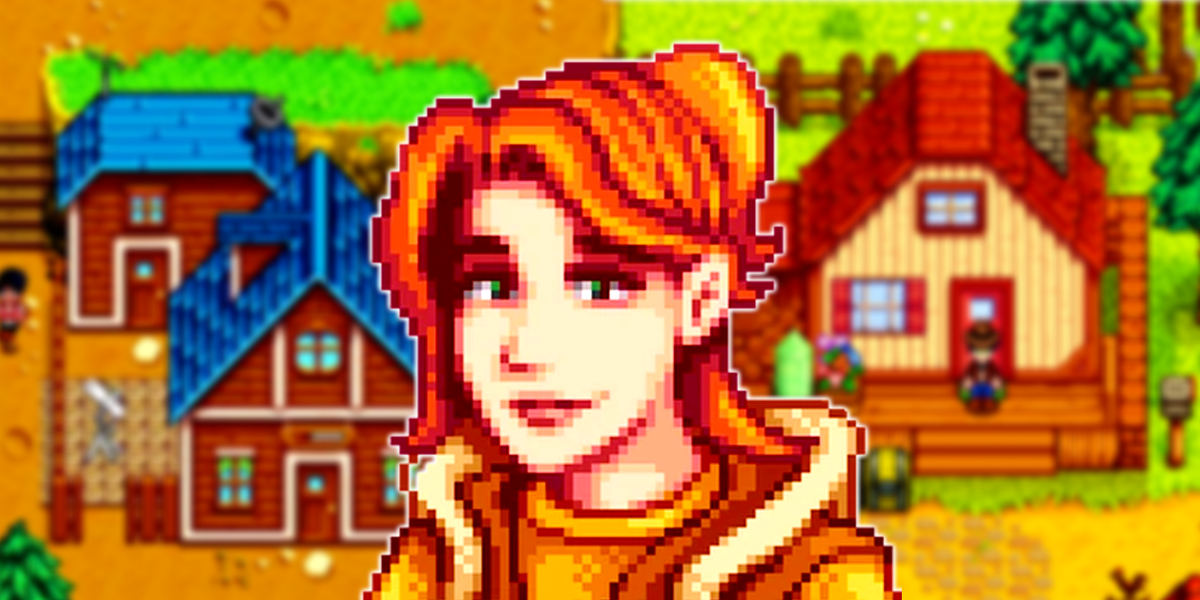
It’s refreshing to see a woman in a role that’s typically associated with manual labor and skill. It pushes back on traditional gender roles in a subtle but meaningful way. However, I think it’s still worth pointing out that the mayor is a man, and some other powerful or central positions in town are filled by male characters. Representation isn’t just about balance. It’s also about who holds influence and what roles are shown as normal for different genders.
There’s a decent range in how female characters are presented, too. Some women wear dresses, and others are in more “masculine” clothing (like the carpenter as mentioned before and shown in the image), which is great because it shows that femininity isn’t just one thing. But I did notice that most of the male characters are dressed pretty stereotypically. There isn’t as much variation in how masculinity is expressed, and that seems like a missed opportunity to challenge those norms.
Thinking about hegemonic masculinity, I noticed that certain events and activities in the game feel dominated by male characters. For example, fishing and mining seem more closely associated with male NPCs. The main fisherman is a guy, and most of the characters involved in the more “rugged” or “adventurous” parts of the game are men. Even though the player can participate in everything, the associations are still there, reinforcing subtle ideas about who these activities are really for.
From an intersectional perspective, I found it hard to create a character that looked fully diverse. For example, I struggled to make an Asian character that actually felt representative. The skin tone and hair options are limited, and that makes it harder to feel like the game reflects everyone. Also, while same gender relationships are technically allowed, the game still feels like it leans toward heterosexual pairings. There’s a kind of unspoken default that seems to assume you’ll go for an opposite gender partner, and that limits how inclusive the game really feels.
Another thing that stood out is how caretaking roles are handled. All of the characters who take care of children in the game are women. That might seem like a small detail, but it’s actually really telling. It reinforces the idea that caregiving is naturally a woman’s role, even in a world where so many other gender norms are being challenged or ignored. Feminist theory would definitely encourage us to question this: why can’t more men be shown as primary caregivers in a game that’s otherwise so open?
Overall, Stardew Valley does a lot to challenge traditional gender roles and gives players space to play in ways that feel free and self-directed. But when you look a little deeper, you start to see the areas where it still holds on to older assumptions about gender, race, and relationships. If the game leaned further into feminist ideas, like showing more diverse characters in leadership roles, or breaking away from gendered associations with caregiving and adventure, it could become even more progressive and empowering.
Playing as a feminist means paying attention to these things. It means appreciating the steps forward, but also asking questions about what’s still missing. Stardew Valley gives us a good starting point, but there’s still room to grow.