League of Legends (LoL), developed by Riot Games, is a prime example of the live service model that incorporates continuous updates, social features, and monetization beyond launch. LoL is typically played on PC and Mac and utilizes mouse and keyboard controls to deliver fast-paced, strategic gameplay, especially appealing to teens and young adults.
In LoL, two teams of five players compete to destroy the opposing base using a roster of unique champions with distinct abilities. Using the MDA framework, the game is constantly updated with evolving mechanics such as new characters, skins, and balance adjustments. As new mechanics are adjusted, they create shifting dynamics like emerging metas and novel team strategies. These dynamics reward mastery and adaptability, reinforcing aesthetics such as challenge, competition, and discovery. The result is an ecosystem that offers just enough novelty to keep players coming back.

Emotional payoff is central to LoL’s aesthetic appeal. Ranking up or unlocking a rare cosmetic delivers intense moments of triumph. These outcomes are the result of carefully tuned mechanics that generate dynamics like anticipation and team cooperation. For example, opening Hextech Chests triggers elaborate animations and sound effects, simulating excitement and unpredictability. These mechanics evoke the aesthetic of thrill, often associated with gambling (Figure 1). According to Addiction by Design, even seeing a rare skin briefly appear and vanish can trigger a powerful “near miss” response, influencing players to continue opening chests in search of the next big payoff. This blending of mechanics and dynamics is intentionally designed to sustain long-term emotional engagement.
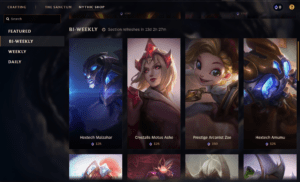
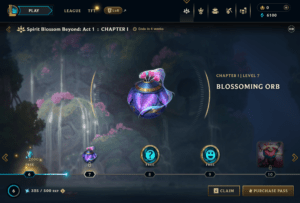
LoL’s monetization system relies on maximizing both time and spending. While the game is free to play, players are incentivized to buy cosmetics, emotes, and loot boxes. Many items are only available for limited times, creating urgency and fear of missing out (Figure 2). The Hextech system encourages players to spend real money on keys to unlock randomized chests. Scarcity and randomness fuel repeated purchases, often without revealing the odds of obtaining rare items. Time-limited events and seasonal battle passes add more pressure to log in frequently and keep up (Figure 3). Players never know when the next rare drop or meaningful reward will come, so they continue playing and spending to try again. The social dynamics also reinforce this cycle. Teens are especially vulnerable to peer influence, and LoL preys on this in its game design to surface these emotional and social triggers. Younger players have an inherent desire to not let down their teammates, rank up quickly, or showcase exclusive skins when playing.
Compared to Fortnite, another major live service game, League of Legends leans more heavily into randomness and peer pressure. While Fortnite also uses seasonal content and cosmetic monetization, it allows players to directly purchase most items. LoL, in contrast, relies on loot systems where players have little control over what they receive. Fortnite emphasizes individual play, making it easier to take breaks without falling behind, whereas LoL’s ranked structure and team-based dynamics make players feel obligated to return or risk disappointing teammates. In both games, frequent updates and exclusives keep players engaged, but LoL’s blend of chance, competition, and limited-time content makes its systems especially sticky.
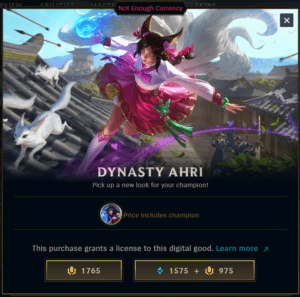
While chance-based systems can make games exciting, they become ethically concerning when they manipulate vulnerable players. LoL’s use of hidden odds, near-miss effects, and pressure to buy time-limited items blurs the line between entertainment and exploitation (Figure 4). LoL’s monetization model puts players, especially teens, at higher risk for addictive patterns of behavior.
Riot Games could take steps to make LoL more ethical without sacrificing engagement. Disclosing drop rates for loot boxes would help players make informed decisions. Enforcing spending caps and stronger parental controls for underage accounts would reduce financial and emotional risk. Time-based nudges or cooldowns could encourage healthier play habits. Shifting away from randomized cosmetics toward more direct-purchase options would also minimize gambling-like experiences. From firsthand experience, playing LoL delivers moments of genuine fun, but it also introduces constant pressure to stay updated, win, and unlock more. The excitement fades quickly, replaced by the pressure of unlocking the next reward. LoL’s design prioritizes retention and monetization, often at the expense of player well-being, especially for younger audiences still learning how to navigate digital environments responsibly. Beyond its monetization systems, the game is also infamous for its toxic player base, with verbal abuse, blame-shifting, and hostility being common in matches. This environment has driven many players to quit despite their love for the gameplay.
In conclusion, League of Legends represents the modern live service model, but LoL’s reliance on randomness and social pressure poses greater risks for compulsive behavior, especially among teens. While live service games are here to stay, designers must balance engagement with ethical responsibility, ensuring their systems foster enjoyment rather than exploitation.